
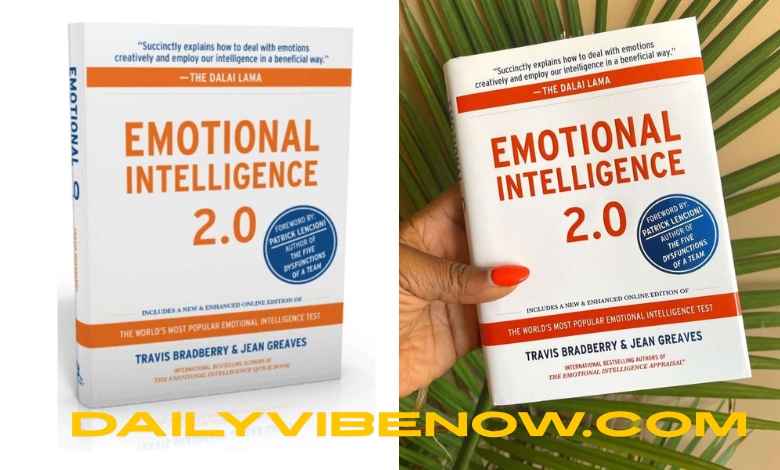
The conversation around success is shifting in a way few predicted just a few years ago. In offices, classrooms, and even online workplaces, a new idea is quietly rewriting what it means to be “qualified” for success. It is not just about technical expertise anymore, nor purely about academic achievement. Something deeper is taking center stage—how people understand, manage, and respond to emotions in fast-changing environments. This shift is being driven by rapid technological disruption, workplace stress, and evolving leadership demands. At the center of this transformation is emotional intelligence 2.0, a modern evolution of emotional awareness designed for the AI era. As organizations struggle with burnout, communication gaps, and hybrid work challenges, emotional intelligence 2.0 is emerging as a defining force that could shape careers, leadership, and productivity in ways never seen before.
The Rise of Emotional Intelligence 2.0 in 2026 Workplace Trends
Across the United States, companies are increasingly prioritizing emotional intelligence 2.0 as a core workplace competency. Unlike traditional skill sets that focus on technical execution, this modern approach emphasizes emotional awareness, adaptability, and interpersonal intelligence. Businesses are reporting that teams with stronger emotional regulation and empathy are outperforming others in collaboration-heavy environments. As remote and hybrid work structures continue to evolve, emotional intelligence 2.0 is becoming essential for maintaining trust and communication across digital platforms.
Recent workplace surveys indicate that over 70% of employers now consider emotional intelligence 2.0 a critical hiring factor. This shift reflects a growing recognition that productivity is no longer driven by technical skills alone. Instead, emotional balance, conflict resolution, and communication clarity are now seen as key performance indicators. In this environment, emotional intelligence 2.0 is not just a soft skill—it is becoming a competitive advantage that defines modern workforce success.
Why Emotional Intelligence 2.0 Is Becoming a Career Defining Skill
In today’s competitive job market, professionals are discovering that emotional intelligence 2.0 can significantly influence career growth. Employers are increasingly looking beyond resumes filled with certifications and degrees. Instead, they are evaluating how candidates respond under pressure, handle criticism, and collaborate with diverse teams. This shift is making emotional intelligence 2.0 one of the most valuable career assets in 2026.
Experts suggest that individuals with strong emotional awareness are more likely to be promoted into leadership roles. This is because emotional intelligence 2.0 helps employees navigate workplace challenges without escalating conflict or stress. It also enhances decision-making by balancing logic with emotional insight. As industries become more interconnected, professionals who master emotional intelligence 2.0 are finding themselves better positioned for long-term success and stability.
At the same time, career development programs are evolving to include emotional intelligence training. Universities and online learning platforms are integrating modules focused on empathy, communication, and resilience. This widespread adoption signals that emotional intelligence 2.0 is no longer optional—it is becoming a foundational skill for professional survival.
How AI is Accelerating Emotional Intelligence 2.0 Adoption
Artificial intelligence is playing an unexpected role in the rise of emotional intelligence 2.0. While AI systems are designed to automate tasks and improve efficiency, they are also highlighting the importance of human emotional skills. As machines take over repetitive work, employees are being pushed toward roles that require empathy, creativity, and emotional judgment.
Interestingly, AI-powered communication tools are now being used to analyze emotional tone in emails, meetings, and customer interactions. These insights are helping organizations identify emotional gaps within teams and improve workplace dynamics. As a result, emotional intelligence 2.0 is becoming a measurable and trainable skill rather than an abstract concept.
However, experts warn that over-reliance on AI could reduce authentic human interaction. This is why emotional intelligence 2.0 is gaining attention as a balancing force between technology and humanity. It ensures that as workplaces become more automated, human connection remains at the center of productivity and innovation.
Emotional Intelligence 2.0 in Leadership and Corporate Culture
Leadership styles are undergoing a major transformation as emotional intelligence 2.0 becomes more widely adopted. Traditional leadership models focused heavily on authority and decision-making power. Today, leaders are expected to demonstrate empathy, emotional stability, and strong interpersonal awareness. This shift is redefining what effective leadership looks like in modern organizations.
Companies that prioritize emotional intelligence 2.0 in leadership development are reporting higher employee satisfaction and retention rates. Leaders who understand emotional dynamics are better equipped to manage stress, resolve conflicts, and inspire teams. This creates a healthier corporate culture where employees feel valued and understood rather than pressured and overlooked.
In addition, emotional intelligence 2.0 is influencing corporate decision-making at a strategic level. Organizations are beginning to recognize that emotionally intelligent leadership directly impacts productivity, innovation, and workplace morale. As a result, leadership training programs are increasingly centered around emotional awareness and behavioral psychology.
Future Predictions for Emotional Intelligence 2.0 and Global Workforce
Looking ahead, experts predict that emotional intelligence 2.0 will become a global standard across industries. As workplaces continue to evolve with digital transformation, emotional awareness will be essential for managing diverse, multicultural teams. Analysts believe that within the next decade, emotional intelligence 2.0 could be as important as technical literacy in hiring decisions worldwide.
The integration of neuroscience and behavioral psychology into workplace training is also expected to expand. Companies are investing in tools that measure emotional responses and improve communication efficiency. This indicates that emotional intelligence 2.0 will continue to evolve as a data-informed skill, blending psychology with technology in unprecedented ways.
Ultimately, the future workforce will likely depend on a balance between human emotion and artificial intelligence. Those who adapt to emotional intelligence 2.0 early will have a significant advantage in leadership, communication, and career resilience. As global competition increases, emotional intelligence 2.0 may become the defining factor separating average professionals from exceptional ones.
The rise of emotional intelligence 2.0 signals a major shift in how success is defined in the modern world. It is no longer just about what people know, but how they connect, adapt, and respond in complex environments. As workplaces continue evolving, individuals and organizations that invest in emotional intelligence 2.0 will likely lead the next wave of innovation and human-centered success.
