The internet feels faster than ever—until it suddenly doesn’t. One moment you’re streaming seamlessly, the next you’re staring at a buffering wheel that seems frozen in time. Across the United States, millions of users are now turning to the same quick fix: an internet speed test. But this isn’t just a casual click anymore. It’s becoming a daily habit, a digital reflex, and even a trending obsession shaping how people judge their providers, devices, and online lives.
From remote workers to gamers and streamers, the surge in internet speed test usage is telling a bigger story. People want answers—and they want them instantly. As frustration meets curiosity, the humble speed test has transformed into a powerful tool driving decisions, sparking debates, and even influencing internet policies nationwide.


Why Internet Speed Test Searches Are Exploding Right Now
The spike in internet speed test searches didn’t happen overnight. It’s the result of a perfect storm of increased online dependency, rising expectations, and growing awareness. With more Americans working from home, attending virtual classes, and streaming high-definition content, even minor slowdowns feel like major disruptions.
Recent data trends suggest that search interest in internet speed test tools has jumped significantly in 2026. Platforms like Ookla and Fast.com are seeing record traffic, with users checking speeds multiple times a day. This reflects a shift in behavior—people are no longer trusting advertised speeds. Instead, they want real-time proof of performance.
The Hidden Frustrations Behind Slow Internet Speeds
Behind every internet speed test lies a moment of frustration. Maybe it’s a dropped Zoom call, a lag during an online game, or a video that refuses to load in HD. These small inconveniences are adding up, pushing users to investigate what’s really happening behind their connections.
Many users are discovering a gap between promised speeds and actual performance. Internet service providers often advertise “up to” speeds, but real-world conditions—like network congestion, outdated routers, or peak usage hours—can significantly reduce performance. As a result, internet speed test results are becoming a reality check, revealing inconsistencies that users can no longer ignore.
How Internet Speed Tests Are Changing Consumer Behavior
The rise of the internet speed test is doing more than just measuring bandwidth—it’s reshaping how consumers make decisions. Users are now comparing results, switching providers, and even upgrading their home setups based on test outcomes.
In fact, surveys indicate that a growing number of Americans have changed their internet plans after running repeated speed tests. This trend is forcing providers to become more transparent and competitive. Speed is no longer just a selling point—it’s a measurable promise that customers actively verify.
The Technology Behind an Internet Speed Test Explained
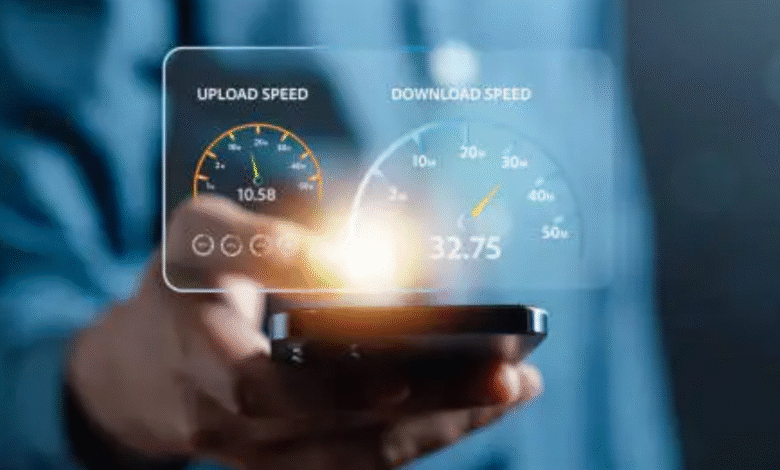
At its core, an internet speed test measures how quickly data travels between your device and a server. It evaluates three key metrics: download speed, upload speed, and latency. Together, these numbers paint a picture of your connection’s overall performance.
Modern tools use advanced algorithms and global server networks to deliver accurate results within seconds. Companies like Netflix have even developed their own testing platforms to ensure users can diagnose streaming issues quickly. As technology evolves, these tests are becoming more precise, helping users identify even subtle performance drops.
Trending Tools Dominating the Internet Speed Test Space
Not all speed tests are created equal. Some prioritize simplicity, while others offer detailed analytics and insights. Among the most popular tools in the United States are Speedtest by Ookla, Fast.com, and Google’s built-in speed test feature.
Each platform has its own strengths. Speedtest by Ookla provides comprehensive data, including server selection and historical tracking. Fast.com focuses on streaming performance, making it ideal for video users. Meanwhile, Google’s quick test offers instant results without requiring users to leave the search page. This variety is fueling the trend, giving users multiple ways to check their speeds.
The Role of 5G and Fiber in Speed Test Trends
The rollout of 5G and fiber-optic networks is another major driver behind the internet speed test boom. As these technologies promise ultra-fast speeds, users are eager to verify whether they’re getting what they pay for.
In cities where fiber connections are expanding, speed test results often show dramatic improvements. Meanwhile, 5G users are testing speeds on mobile devices, comparing performance across locations. This has turned internet speed tests into a form of digital benchmarking, where users compete and share results online.
Social Media and the Viral Nature of Speed Tests
Social media platforms are playing a surprising role in the rise of internet speed test trends. Screenshots of blazing-fast speeds—or shockingly slow ones—are being shared widely, sparking conversations and comparisons.
This viral aspect has turned speed testing into a social activity. Users challenge friends, post results, and even use speed scores as a badge of honor. The trend has gained traction on platforms like TikTok and X, where short videos and posts highlight real-time testing experiences.
Common Mistakes People Make When Running Speed Tests
Despite their simplicity, internet speed tests can sometimes produce misleading results if not used correctly. One common mistake is running tests while multiple devices are connected to the network, which can skew results.
Another issue is testing during peak hours when network congestion is high. Experts recommend running multiple tests at different times of the day for a more accurate picture. Using a wired connection instead of Wi-Fi can also provide more reliable results, especially for diagnosing issues.
What Your Internet Speed Test Results Really Mean
Understanding speed test results is just as important as running the test itself. Download speed affects streaming and browsing, while upload speed impacts activities like video calls and file sharing. Latency, often measured in milliseconds, determines how quickly your device responds to commands.
For most households, a download speed of 100 Mbps is considered sufficient for everyday use. However, gamers and heavy streamers may require higher speeds and lower latency. By interpreting these numbers correctly, users can make informed decisions about their internet plans and setups.
Future Predictions: Where Internet Speed Testing Is Headed
The future of internet speed testing looks more advanced and integrated than ever. Experts predict that speed tests will become built into smart home devices, routers, and even operating systems, providing continuous performance monitoring.
Artificial intelligence could also play a role, analyzing patterns and offering personalized recommendations to improve connectivity. As internet usage continues to grow, speed testing will likely evolve from a reactive tool into a proactive solution, helping users optimize their digital experiences in real time.
Why the Internet Speed Test Trend Matters More Than Ever
The growing obsession with internet speed tests reflects a deeper shift in how people interact with technology. Speed is no longer a luxury—it’s a necessity. Whether it’s for work, entertainment, or communication, reliable internet is essential.
This trend is նաև pushing the industry forward, encouraging innovation and accountability. As users demand better performance and transparency, providers are being forced to step up their game. In this way, the simple act of running an internet speed test is contributing to a larger transformation in the digital landscape.
The next time your connection slows down, don’t just refresh the page—run an internet speed test and see what’s really going on. Then take control. Compare results, explore options, and demand the speed you deserve.