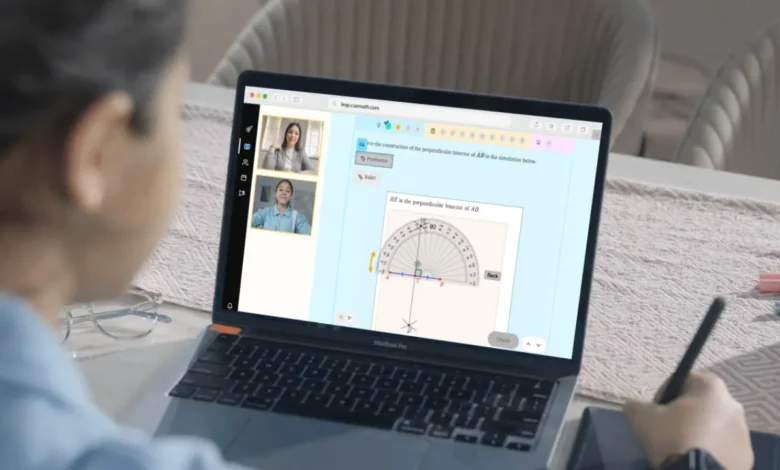
Something unexpected is happening in classrooms across the United States, and it’s catching both students and educators off guard. Geometry, long seen as one of the most challenging math subjects, is suddenly becoming engaging, interactive, and even enjoyable. At the center of this transformation is geometry learn v3, a platform that is rapidly gaining attention for reshaping how students understand shapes, angles, and spatial reasoning. The excitement surrounding it is not just hype—it reflects a deeper shift in how learning is evolving in the digital age.
In recent months, social media discussions, classroom trials, and early user feedback have all pointed to one thing: geometry learn v3 is changing the narrative around math anxiety. Students who once struggled to visualize geometric concepts are now solving problems with confidence. Teachers are noticing increased participation and better retention rates. This surge in engagement is fueling conversations about whether this tool could redefine the future of STEM education across the country.


What Makes Geometry Learn v3 Different
Unlike traditional learning tools, geometry learn v3 combines advanced visualization techniques with intuitive design. Instead of static diagrams, students interact with dynamic shapes that can be rotated, resized, and explored in real time. This hands-on approach helps bridge the gap between abstract theory and practical understanding, which has always been a major hurdle in geometry education.
Another standout feature is its adaptive learning engine. Geometry learn v3 analyzes how students solve problems and adjusts the difficulty level accordingly. This personalized experience ensures that learners are neither overwhelmed nor bored. As a result, students progress at their own pace while still meeting curriculum standards. This balance between flexibility and structure is one of the key reasons why educators are embracing the platform so quickly.
The Surge in Popularity Across the United States
The rise of geometry learn v3 didn’t happen overnight. Over the past year, several school districts in the United States began piloting the platform as part of digital learning initiatives. The results were striking. According to early reports, students using the tool showed up to 35% improvement in test scores compared to traditional methods.
This success quickly caught the attention of education boards and policymakers. As more schools integrated geometry learn v3 into their curriculum, its popularity spread through word of mouth and online reviews. Parents also played a role, praising the platform for making homework less stressful and more interactive. The combination of academic improvement and positive user experience has turned geometry learn v3 into one of the most talked-about education trends of 2026.
How Students Are Responding to the Change
For many students, geometry has always been a subject filled with confusion and frustration. However, geometry learn v3 is flipping that experience entirely. By allowing learners to experiment with shapes and see immediate results, the platform fosters curiosity rather than fear. Students are no longer memorizing formulas blindly; they are understanding how and why those formulas work.
This shift is particularly noticeable among younger learners. Middle school students, who often struggle with foundational geometry concepts, are showing increased enthusiasm for math classes. Teachers report that students are asking more questions, participating in discussions, and even exploring advanced topics on their own. Geometry learn v3 is not just improving grades—it’s reigniting a genuine interest in learning.
Teachers Embrace a New Teaching Approach
Educators are finding that geometry learn v3 is more than just a supplementary tool; it’s transforming how they teach. Instead of relying solely on textbooks and whiteboard explanations, teachers are incorporating interactive demonstrations into their lessons. This approach makes complex concepts easier to explain and helps students grasp ideas more quickly.
Moreover, geometry learn v3 provides detailed analytics that allow teachers to track student progress in real time. This data-driven insight helps identify areas where students need extra support. As a result, teachers can tailor their instruction to meet individual needs, making the learning process more effective. This level of precision in teaching was difficult to achieve with traditional methods, highlighting the platform’s impact on modern education.
The Role of Technology in Modern Education Trends
The success of geometry learn v3 reflects a broader trend in education: the integration of technology into everyday learning. Digital tools are no longer optional; they are becoming essential components of effective teaching strategies. From virtual classrooms to AI-driven platforms, technology is reshaping how knowledge is delivered and absorbed.
Geometry learn v3 stands out because it addresses a specific challenge within this larger trend. While many educational tools focus on general learning, this platform targets the unique difficulties of geometry. By combining innovation with subject-specific solutions, it sets a new standard for what educational technology can achieve. This targeted approach is likely to influence the development of future learning tools across different subjects.
Key Features Driving Its Success
Several features contribute to the rapid adoption of geometry learn v3. One of the most notable is its real-time feedback system, which helps students correct mistakes instantly. This immediate response reinforces learning and prevents misconceptions from taking root. Additionally, the platform’s gamified elements keep students motivated by rewarding progress and achievements.
Another important aspect is accessibility. Geometry learn v3 is designed to work seamlessly across devices, including tablets, laptops, and smartphones. This flexibility allows students to learn anytime and anywhere, making education more inclusive. Whether in a classroom or at home, learners can access the same high-quality resources without limitations.
Challenges and Criticisms to Consider
Despite its growing popularity, geometry learn v3 is not without challenges. Some educators have raised concerns about over-reliance on technology, arguing that traditional teaching methods still play a crucial role in developing critical thinking skills. There is also the issue of digital accessibility, as not all schools have the resources to implement such tools effectively.
Additionally, adapting to a new platform requires training and time. Teachers need to familiarize themselves with the system before they can use it effectively in the classroom. While many have successfully made the transition, others are still adjusting. These challenges highlight the importance of balancing innovation with practical implementation to ensure long-term success.
Future Predictions for Geometry Learn v3
Looking ahead, the future of geometry learn v3 appears promising. As more schools adopt the platform, it is expected to evolve with new features and capabilities. Developers are already exploring the integration of augmented reality, which could take interactive learning to an entirely new level. Imagine students walking around virtual geometric shapes and exploring them from every angle.
Experts predict that geometry learn v3 could also influence standardized testing methods. As learning becomes more interactive, assessments may shift toward practical problem-solving rather than rote memorization. This change could redefine how academic performance is measured, aligning it more closely with real-world skills.
Why This Matters for the Next Generation
The impact of geometry learn v3 goes beyond improved test scores. It represents a shift in how education is perceived and delivered. By making learning more engaging and accessible, it helps prepare students for a future where critical thinking and problem-solving are essential skills. This transformation is particularly important in a world increasingly driven by technology and innovation.
For the next generation, tools like geometry learn v3 could make education more inclusive and effective. Students from different backgrounds and learning styles can benefit from personalized experiences that cater to their needs. This democratization of learning has the potential to reduce educational gaps and create more opportunities for success.
Final Thoughts and What Comes Next
The rise of geometry learn v3 is more than just a trend—it’s a glimpse into the future of education. As schools across the United States continue to adopt this innovative platform, its influence is likely to grow even further. The combination of technology, personalization, and engagement is setting a new benchmark for how subjects like geometry should be taught.
If you’re a student, educator, or parent, now is the time to pay attention to this shift. Explore how geometry learn v3 can transform the learning experience and unlock new possibilities. The future of education is already here—don’t get left behind.