The phrase “twink death” has suddenly become one of the internet’s most searched and debated slang terms, flooding TikTok videos, X posts, Reddit threads, and meme pages across the United States. What started as niche LGBTQ+ internet humor has now crossed into mainstream culture, sparking conversations about aging, beauty standards, celebrity transformations, and the pressure to stay youthful online.
For many users, the term is funny, chaotic, and meme-worthy. But for others, the growing obsession around twink death reflects something much deeper happening across digital culture. As creators, influencers, and celebrities face nonstop scrutiny over their appearance, the viral trend is exposing how social media has changed the way people think about identity, attractiveness, and growing older in public.


What Does Twink Death Actually Mean?
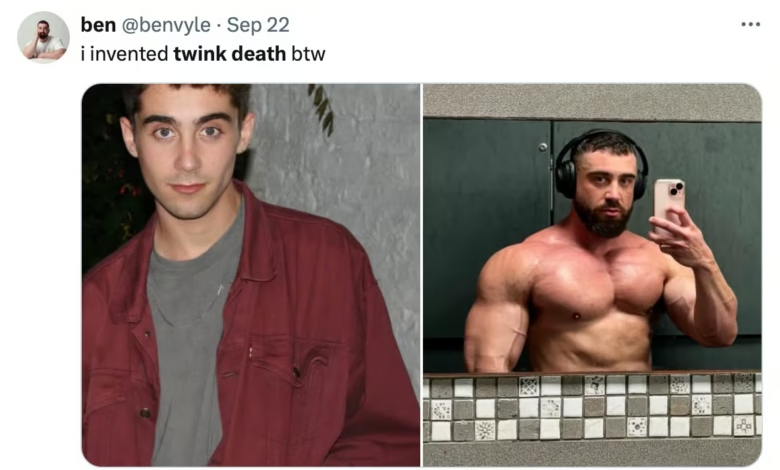
The phrase twink death generally refers to the moment when a youthful-looking man, often associated with the “twink” aesthetic, begins to visibly age or change appearance. Online communities use the term jokingly to describe someone losing the slim, boyish look traditionally connected to internet beauty culture.
Although the phrase has existed in LGBTQ+ spaces for years, the current twink death trend exploded after TikTok users began posting before-and-after celebrity photos and dramatic glow-up compilations. Many videos compare actors, musicians, influencers, and even fictional characters over time. The trend quickly became algorithm fuel because it mixes humor, nostalgia, shock value, and celebrity gossip in a way that keeps viewers scrolling.
Why the Twink Death Trend Is Suddenly Everywhere
One major reason the twink death conversation is trending is the rise of hyper-visual social media culture. Platforms like TikTok and Instagram reward youth-focused aesthetics, making appearance-based trends spread incredibly fast. Users are constantly analyzing celebrity transformations, skincare routines, fitness changes, and aging signs.
At the same time, meme culture has made sensitive topics feel more acceptable to joke about publicly. Internet users now turn almost every life experience into content, including aging. The phrase twink death became viral because it blends comedy with insecurity in a way that feels relatable to younger audiences navigating unrealistic online standards. As more creators participate in the joke, the trend keeps evolving and reaching wider audiences.
Celebrities Pulled Into the Viral Discussion
Several high-profile celebrities have been dragged into twink death debates online, often without warning. Actors who were once known for youthful roles are now becoming the center of viral transformation edits. Pop stars and internet personalities are also facing heavy commentary from fans and critics alike.
Names like Timothée Chalamet, Harry Styles, and Tom Holland frequently appear in online discussions surrounding changing appearances and evolving style choices. In many cases, users debate whether these celebrities are actually experiencing “twink death” or simply growing into adulthood naturally. That distinction has become a major point of controversy surrounding the trend.
Social Media Is Fueling New Beauty Pressures
The twink death trend may sound humorous on the surface, but many experts and creators argue it reflects a larger cultural obsession with youth. Online audiences now monitor physical changes in real time, often treating aging like a dramatic downfall instead of a normal life process.
This pressure affects not only celebrities but also everyday users. Young people increasingly compare themselves to filtered images, edited videos, and unrealistic beauty standards. Viral trends can intensify insecurities, especially when appearance becomes the center of entertainment. Some TikTok creators have already pushed back against the phrase, saying the trend normalizes body shaming and reinforces toxic expectations for men.
LGBTQ+ Internet Culture Shapes the Conversation
The term twink death originated within LGBTQ+ online spaces, where identity labels and humor often evolve rapidly through memes and community slang. In those communities, the phrase was initially used in a more playful and self-aware way rather than as direct criticism.
However, once mainstream internet culture adopted the term, its meaning shifted. Many LGBTQ+ users now say the phrase has lost its original context and become overly harsh. Others believe mainstream audiences misunderstand the humor behind it entirely. This shift highlights a common internet pattern where niche language becomes commercialized, exaggerated, and sometimes weaponized after going viral.
TikTok Algorithms Turned the Phrase Into a Massive Trend
TikTok played a huge role in making twink death a national conversation. Videos using the hashtag have gained millions of views, especially those featuring dramatic edits, aging timelines, and celebrity comparisons. The app’s recommendation system rewards emotionally charged reactions, making controversial or shocking content spread quickly.
Creators have also turned the phrase into a form of performance. Some users jokingly declare themselves victims of twink death after changing hairstyles, gaining muscle, or simply turning 25. Others parody the panic surrounding aging by posting exaggerated “before and after” transformations. This mix of irony and insecurity keeps the trend highly shareable, especially among Gen Z audiences.
Why Gen Z Is Obsessed With Aging Discourse
One surprising part of the twink death phenomenon is how young many participants are. Teenagers and people in their early twenties are discussing aging with unusual intensity online. Internet culture now treats turning 30 almost like a dramatic life event, despite it being relatively young.
Experts believe this mindset is partially caused by constant digital exposure. Younger generations spend more time seeing curated appearances from influencers, celebrities, and peers. As a result, normal aging can feel amplified or even frightening. The twink death trend reflects this anxiety in meme form, transforming real fears into viral entertainment that spreads across every major platform.
Critics Say the Trend Crosses a Line
Not everyone finds the trend funny. Critics argue that twink death reinforces shallow beauty standards and encourages public judgment based on appearance. Some creators have described receiving harsh comments after their looks changed naturally with age.
Mental health advocates also warn that constant appearance commentary can damage self-esteem. Men increasingly face beauty pressures once primarily directed toward women, including expectations around skincare, fitness, hairlines, and facial structure. While internet humor often relies on exaggeration, critics believe the trend normalizes cruelty disguised as comedy.
Brands and Influencers Are Already Capitalizing on the Trend
As with many viral moments, brands and influencers quickly recognized the marketing potential behind twink death discussions. Skincare companies, grooming brands, and wellness influencers have started referencing the trend in videos and advertisements designed to attract younger audiences.
Some creators now post “anti-twink death” routines featuring expensive skincare products, gym regimens, supplements, and fashion transformations. This commercial angle has turned a meme into a profitable online niche. Analysts say viral identity-based trends increasingly drive consumer spending because audiences associate appearance with social relevance and digital validation.
The Internet’s Relationship With Aging Is Changing Fast
The explosive popularity of twink death says a lot about modern internet culture. Aging, once considered a normal part of life, is now heavily analyzed through memes, filters, algorithms, and viral commentary. Every physical change becomes content, especially for public figures living under constant digital attention.
At the same time, many users are beginning to push back against this culture. Discussions about self-acceptance, realistic beauty standards, and healthier online behavior are growing louder. Some creators now use the trend ironically to criticize society’s obsession with youth rather than reinforce it. That tension between humor and discomfort is exactly why the topic continues dominating feeds across the country.
What Happens Next for the Twink Death Trend?
Like most viral internet phrases, twink death may eventually fade from mainstream attention. But the conversations surrounding it are unlikely to disappear anytime soon. The trend taps into larger issues involving identity, appearance, internet fame, and digital pressure that continue shaping online culture every day.
As younger audiences spend more time online, trends tied to beauty standards and aging will probably evolve even further. Whether people view twink death as harmless comedy or harmful commentary, one thing is clear: the internet’s obsession with transformation is stronger than ever. And as social media keeps turning personal identity into public entertainment, viral phrases like this will continue driving headlines, debates, and millions of clicks.
The twink death trend may have started as a joke, but it has become a powerful reflection of how online culture views aging in 2026. What do you think about the viral debate? Share your thoughts and join the conversation shaping today’s internet culture.
You may Also read
Bryan Kohberger Wikipedia Searches Spike as New Case Details Emerge