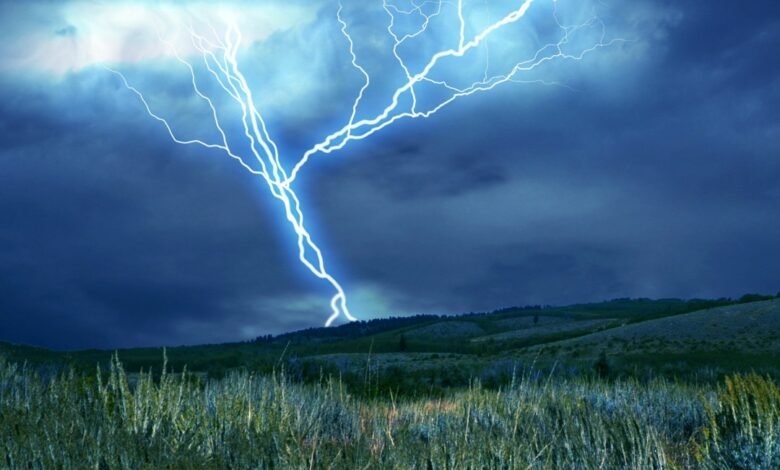
The sudden rise of “thunderstorm sounds” across streaming apps, YouTube playlists, and sleep platforms is becoming one of the most unexpected wellness trends in the United States. Late at night, millions of Americans are pressing play on rolling thunder, soft rain, and distant lightning recordings instead of music. What started as a niche sleep aid has exploded into a cultural obsession fueled by stress, burnout, anxiety, and the growing need for mental escape.
Search interest for thunderstorm sounds has surged over recent months as people look for better sleep, focus, and emotional comfort. Social media creators are also fueling the trend with cinematic rain videos, cozy room aesthetics, and long-form relaxation streams that are attracting millions of views. For many listeners, the sound of a thunderstorm sounds feels less like weather and more like therapy.


Why Thunderstorm Sounds Are Trending Across the United States
The growing popularity of thunderstorm sounds is closely connected to America’s changing lifestyle habits. Remote work, nonstop screen exposure, and rising stress levels have pushed many people toward digital wellness tools. Unlike loud music or fast-paced podcasts, thunderstorm audio creates a calming environment that helps listeners mentally disconnect from pressure-filled routines.
Streaming platforms report increased engagement with nature-based sound categories, especially during nighttime hours. Users are building personalized “sleep playlists” filled with rain ambience, lightning crackles, and deep storm frequencies. TikTok and YouTube have amplified the movement even further by turning cozy thunderstorm setups into visual experiences. Videos featuring candle-lit rooms, rainy windows, and storm ambience now dominate relaxation content feeds.
Experts believe the appeal comes from familiarity and emotional comfort. Thunderstorms often remind people of childhood memories, quiet evenings indoors, or peaceful moments away from busy city life. That emotional connection makes thunderstorm sounds more powerful than ordinary white noise for many listeners. Instead of simply masking noise, these sounds create atmosphere and emotional relief.
Another factor driving the trend is accessibility. People no longer need expensive wellness gadgets or subscriptions to experience relaxation audio. Free apps, streaming services, and social platforms offer endless hours of high-quality thunderstorm recordings. This easy access has transformed the trend into a mainstream habit rather than a niche wellness practice.
Sleep Experts Say Storm Audio May Improve Rest
Sleep specialists have started paying closer attention to the growing demand for thunderstorm sounds. Many experts explain that low-frequency rain and thunder patterns can help calm the brain before sleep. Consistent natural audio may reduce sudden environmental distractions, helping users fall asleep faster and stay asleep longer.
Several wellness studies suggest that nature-based soundscapes can support relaxation by slowing heart rate and reducing mental overstimulation. While thunderstorm sounds are not a medical treatment, users often describe feeling safer, calmer, and emotionally grounded while listening to them. In a time when insomnia and stress-related sleep issues continue rising in America, many people are searching for non-medication alternatives.
Streaming data also shows a major increase in overnight listening sessions. Platforms offering sleep audio report that users often leave thunderstorm sounds playing for eight to ten hours continuously. This behavior highlights how deeply integrated storm ambience has become in nighttime routines. Some listeners even say they struggle to sleep without it after weeks of consistent use.
The trend has also spread into meditation and mindfulness communities. Guided breathing sessions, yoga classes, and focus playlists frequently include thunderstorm background audio to create deeper immersion. The result is a growing wellness ecosystem built around natural storm ambience and emotional comfort.
Social Media Turned Thunderstorm Sounds Into a Lifestyle Trend
The internet has transformed thunderstorm sounds from simple background noise into a complete aesthetic experience. On TikTok, creators design elaborate “rainy night” videos featuring cozy apartments, glowing lamps, books, coffee mugs, and cinematic storm effects. These clips regularly collect millions of views and encourage users to recreate the same relaxing environment at home.
YouTube channels dedicated entirely to thunderstorm ambience are also experiencing explosive growth. Some videos run for ten hours or more and include immersive sound engineering designed to mimic real storms. Audiences often use the content for studying, sleeping, gaming, or simply escaping stress after long workdays. The emotional connection between visuals and sound has become a major reason why the trend keeps expanding.
Social media users frequently describe thunderstorm sounds as a form of “digital comfort.” In comment sections, people share personal stories about anxiety relief, better concentration, and emotional healing connected to storm audio. That community-driven engagement has helped the trend feel personal instead of commercial.
The hashtag ecosystem surrounding thunderstorm sounds continues to grow rapidly. Keywords like “sleep sounds,” “rain ambience,” “cozy vibes,” “deep sleep audio,” and “nature ASMR” now attract huge engagement online. This momentum has pushed creators, wellness influencers, and audio platforms to invest even more heavily in the niche.
Streaming Platforms Are Benefiting From the Storm Audio Boom
Major streaming services have quietly embraced the thunderstorm sounds trend because of its massive engagement potential. Relaxation playlists consistently rank among the most-streamed background audio categories, especially during evening hours. Users often replay the same storm tracks daily, increasing total platform watch time and user retention.
Podcast platforms are also seeing growth in sleep-focused content. Long-form thunderstorm episodes, rain meditation recordings, and atmospheric sleep journeys have become extremely popular among younger audiences. Some creators now produce “seasonal storms” tailored for winter nights, summer rain, or urban thunder ambience to stand out in a crowded market.
Advertising and branding opportunities are expanding as well. Wellness companies, mattress brands, and meditation apps are partnering with creators who specialize in relaxation content. Thunderstorm sounds have effectively evolved into a digital wellness industry supported by streaming revenue, subscriptions, and social engagement.
Data analysts believe this trend may continue growing because it aligns with broader consumer behavior. Americans are increasingly prioritizing self-care, mental health, and healthier sleep habits. Nature-inspired audio fits perfectly into that movement because it feels simple, affordable, and emotionally authentic.
The Psychology Behind Why Thunderstorm Sounds Feel So Comforting
Psychologists suggest that thunderstorm sounds trigger emotional responses connected to safety and environmental familiarity. When people hear rain falling outside or distant thunder rolling through the sky, the brain often interprets it as a cue to slow down and rest. This natural reaction may explain why storm audio feels deeply calming to many listeners.
Unlike chaotic city noise, thunderstorms produce rhythmic patterns that help stabilize focus. The repetitive nature of rain sounds can create a meditative effect, allowing the brain to shift away from racing thoughts. For stressed individuals, that mental shift can feel incredibly powerful after long periods of overstimulation.
There is also a nostalgia factor behind the trend. Many Americans associate thunderstorms with childhood comfort, staying indoors during storms, or relaxing under blankets while rain hit the windows. These emotional memories strengthen the psychological appeal of storm ambience and make the listening experience more immersive.
Mental health discussions online have further boosted interest in thunderstorm sounds. Users openly share how the audio helps with stress management, emotional burnout, and nighttime anxiety. While experts encourage professional support for serious mental health conditions, calming audio is increasingly viewed as a healthy addition to personal wellness routines.
Thunderstorm Sounds Could Become One of the Biggest Wellness Trends
Industry experts believe thunderstorm sounds may evolve far beyond simple sleep audio. Developers are already experimenting with immersive storm experiences using spatial sound technology, smart home integration, and AI-generated weather environments. Future wellness apps may personalize thunderstorm intensity, rainfall levels, and ambient frequencies based on user mood or sleep patterns.
The trend is also crossing into entertainment and interior design culture. Luxury hotels, meditation studios, and wellness retreats now incorporate rain and thunder ambience into relaxation spaces. Some smart devices even simulate synchronized lighting effects alongside thunderstorm sounds to create a fully immersive atmosphere.
As stress and digital fatigue continue affecting millions of Americans, demand for calming sensory experiences will likely keep rising. Thunderstorm sounds offer something many people desperately want right now — a feeling of stillness in an increasingly noisy world. That emotional need may be the biggest reason the trend continues gaining momentum across every major platform.
The future of thunderstorm sounds looks surprisingly strong. What once seemed like simple background audio has become a powerful symbol of modern comfort, digital wellness, and emotional escape in the United States.
As the trend keeps growing, more Americans are discovering that the sound of distant thunder might be exactly what they need to finally relax, focus, and sleep better. If you have not explored the thunderstorm sounds phenomenon yet, now may be the perfect time to see why millions are pressing play every night.