
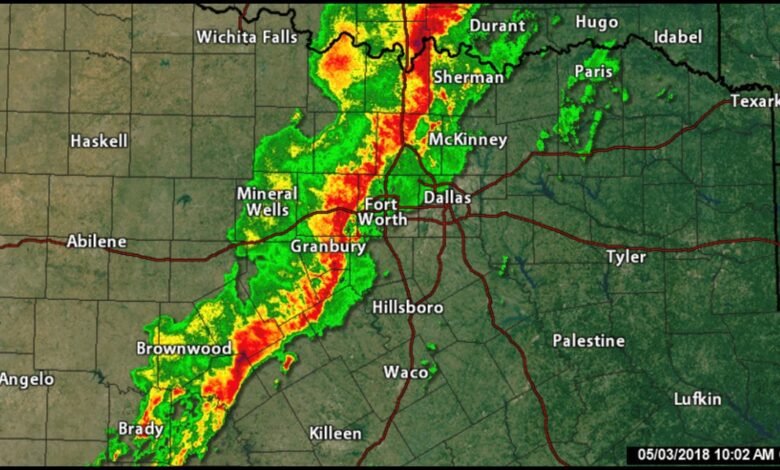
When dark clouds suddenly rolled over North Texas this morning, thousands of people rushed online searching for one thing — wfaa radar. From Dallas commuters stuck in traffic to families preparing for possible hail and tornado warnings, the live radar map quickly became one of the most searched weather tools in the region. As storms intensified across the United States this week, viewers turned to trusted local coverage for real-time updates, lightning alerts, and minute-by-minute tracking.
The growing demand for wfaa radar highlights how rapidly weather anxiety spreads during severe weather season. Social media feeds filled with screenshots of storm paths, rotating cells, and emergency alerts as residents searched for answers. For many Americans, radar updates are no longer just a weather feature. They have become an essential survival tool during unpredictable climate events sweeping across Texas and neighboring states.
Why WFAA Radar Is Trending Across the United States
The sudden spike in searches for wfaa radar comes as multiple weather systems move through North Texas, bringing heavy rain, strong winds, hail threats, and possible tornado activity. Residents in Dallas-Fort Worth and surrounding communities are closely monitoring storm movement as meteorologists warn conditions could change within minutes. During fast-moving weather events, viewers often depend on live radar technology more than traditional forecasts because it offers immediate visual tracking.
Another reason wfaa radar is dominating search trends is the increasing public demand for hyperlocal weather information. National forecasts often provide broad outlooks, but local radar systems give neighborhood-specific updates. In cities like Dallas, Fort Worth, Plano, Arlington, and Irving, weather conditions can vary dramatically within short distances. This makes live radar feeds incredibly valuable for drivers, schools, businesses, and families making urgent decisions.
Severe Weather Season Is Fueling Massive Radar Searches
Spring and early summer are historically known as peak severe weather months in Texas. This year, however, meteorologists say weather patterns have become more volatile. Sudden temperature shifts, increased humidity, and unstable atmospheric conditions are creating stronger storm systems across the southern United States. As a result, online searches for live weather tracking tools have surged dramatically.
The popularity of wfaa radar reflects a broader national trend. Americans are consuming weather news differently than ever before. Instead of waiting for scheduled television broadcasts, users now refresh radar maps continuously on smartphones and tablets. This shift toward instant information has transformed local weather coverage into a real-time digital experience that millions rely on during emergencies.
How WFAA Radar Helps Residents Stay Safe
One major reason viewers trust wfaa radar is the platform’s ability to provide detailed storm tracking in real time. Radar technology can identify rainfall intensity, lightning clusters, hail formation, and possible tornado rotation before dangerous conditions fully develop. This early visibility gives residents critical extra minutes to prepare or seek shelter.
Emergency preparedness experts say access to reliable radar coverage can significantly improve public safety outcomes during severe weather events. School districts, transportation agencies, and utility companies also use live radar monitoring to make operational decisions. In high-risk states like Texas, where storms can escalate rapidly, immediate weather awareness often becomes essential for protecting lives and property.
Social Media Has Amplified the WFAA Radar Craze
The explosive rise of wfaa radar searches is also being driven by social media platforms. Viral weather clips showing lightning strikes, rotating storm clouds, and flooded highways have spread rapidly online. Users frequently share screenshots from radar maps to warn friends and family about approaching storms.
TikTok, Facebook, X, and Instagram have become major distribution channels for local weather updates. Many users now encounter storm warnings first through social media posts before hearing official alerts. This digital sharing culture has helped transform radar coverage into trending online content rather than just a traditional news service.
At the same time, meteorologists are adapting to changing audience behavior. Weather teams increasingly provide live-streamed updates, instant notifications, and interactive radar explanations to keep viewers engaged across multiple platforms. This evolution has made local weather coverage more accessible and more immediate than ever before.
North Texas Faces Growing Climate Challenges
The increasing popularity of wfaa radar also reflects broader concerns about extreme weather in the United States. Scientists continue to warn that climate change may contribute to more intense storms, heavier rainfall, and unpredictable weather patterns. North Texas has already experienced several damaging weather events in recent years, including flash flooding, destructive hailstorms, and tornado outbreaks.
Communities across the region are becoming more weather-aware as these events grow more frequent. Families are investing in emergency kits, backup batteries, weather radios, and storm shelters. Meanwhile, local news stations are expanding weather coverage because audience demand for live storm tracking continues to rise during severe conditions.
Experts believe radar technology will become even more important as weather volatility increases. Advanced forecasting tools powered by artificial intelligence and high-resolution satellite systems could improve prediction accuracy in the coming years. However, local radar coverage will likely remain one of the fastest and most trusted sources for real-time storm awareness.
Mobile Users Are Driving the Surge in Radar Traffic
Another key factor behind the wfaa radar trend is the explosion of mobile news consumption. Most weather-related searches now happen on smartphones rather than desktop computers. During storms, users want immediate access to fast-loading radar maps, emergency notifications, and live updates while traveling or working.
This mobile-first behavior has changed how news organizations design weather experiences. Faster loading speeds, interactive maps, and user-friendly interfaces are now critical for keeping audiences engaged during severe weather coverage. When storms hit unexpectedly, people expect instant information without delays.
Google Discover has also played a major role in increasing visibility for weather-related content. Articles about storm tracking, tornado warnings, and live radar coverage often receive massive traffic spikes during active weather events. Curiosity-driven headlines combined with urgent public interest create powerful engagement opportunities for publishers and broadcasters alike.
Meteorologists Warn Storm Activity Could Continue
Weather experts say the recent storm systems affecting Texas may not be over yet. Forecast models suggest additional rounds of thunderstorms could develop over the coming days, especially in areas with unstable atmospheric conditions. Residents are being encouraged to stay alert and continue monitoring local weather updates regularly.
Meteorologists emphasize that severe weather can evolve quickly, particularly during overnight hours when visibility is lower and warnings may be missed. Flash flooding remains a major concern in urban areas where drainage systems can become overwhelmed during intense rainfall. Strong wind gusts and hail threats are also possible as storm clusters move across the region.
Because conditions can shift rapidly, live radar monitoring remains one of the most effective ways for residents to track approaching storms in real time. Many families now keep weather apps open continuously during severe weather outbreaks to avoid being caught off guard.
The Future of Live Weather Coverage Is Changing Fast
The growing obsession with wfaa radar reveals a larger transformation happening in local journalism and weather reporting. Audiences no longer want delayed updates or static forecasts. They expect instant, interactive, and highly visual information that helps them react immediately during dangerous conditions.
Artificial intelligence, predictive weather modeling, and advanced Doppler radar systems are expected to reshape forecasting technology over the next decade. Some experts believe future radar tools could eventually provide street-level storm impact predictions with remarkable precision. This would allow communities to prepare earlier and respond more effectively during emergencies.
At the same time, trust remains essential. During severe weather outbreaks, audiences often return to familiar local stations they recognize and depend on. Accurate reporting, experienced meteorologists, and continuous live coverage continue to play a critical role in public safety across the United States.
Why Americans Keep Turning to WFAA Radar During Storms
The continuing surge in wfaa radar searches proves how deeply weather coverage has become woven into everyday life. For millions of Americans, live radar is no longer optional background information. It is a real-time safety tool used during commutes, school pickups, travel plans, and family emergencies.
As extreme weather events continue making headlines nationwide, demand for trusted radar coverage will likely keep growing. Viewers want faster alerts, clearer forecasts, and immediate storm tracking they can trust when conditions become dangerous. In an era shaped by climate uncertainty and nonstop digital updates, reliable local radar coverage may be more important than ever before.
Stay connected with the latest severe weather updates, storm tracking alerts, and live radar coverage as changing conditions continue impacting communities across North Texas and beyond.
You may Also read
No Location Found Meaning Sparks Confusion Across Apps Today
