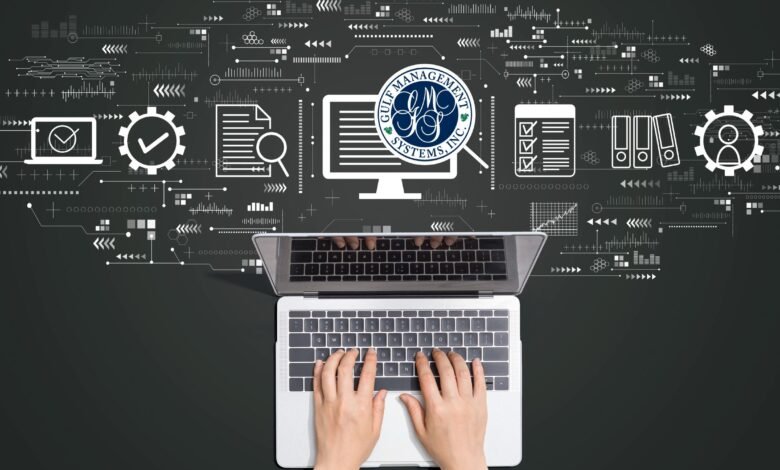
The race to modernize digital infrastructure is accelerating faster than many businesses expected. Across the United States, companies are rapidly investing in system management software to control complex IT environments, reduce downtime, and strengthen cybersecurity. What was once considered a back-office tool is now becoming the heartbeat of modern business operations.
From startups to Fortune 500 giants, organizations are facing mounting pressure to automate workflows, monitor devices in real time, and manage cloud systems without disruption. Industry analysts say the sudden demand spike is being fueled by artificial intelligence, hybrid work expansion, and rising cyber threats. As a result, system management software is emerging as one of the hottest enterprise technology trends of 2026.

Why System Management Software Is Suddenly Everywhere
The growing reliance on digital infrastructure has changed how businesses operate. Companies now manage thousands of connected devices, cloud platforms, and remote systems simultaneously. Without reliable system management software, maintaining performance and security becomes nearly impossible. This shift is pushing enterprises to prioritize automation and centralized IT control faster than ever before.
Technology leaders say the demand surge is no longer limited to large corporations. Mid-sized businesses and even smaller firms are investing heavily in IT management solutions to stay competitive. Many organizations are now using cloud monitoring platforms, remote device management tools, and network administration systems to simplify operations. As remote work remains common across the United States, businesses are searching for smarter ways to manage distributed teams and infrastructure.
The software industry is responding quickly to this boom. Several enterprise software providers are expanding AI-powered capabilities that can automatically detect system failures, predict outages, and optimize performance before problems occur. Experts believe predictive maintenance will become one of the defining features of next-generation system management software over the next few years.
At the same time, businesses are also trying to reduce operational costs. Automated infrastructure management allows IT teams to handle larger workloads with fewer manual tasks. This efficiency is becoming a major selling point as companies face economic uncertainty and increasing technology expenses.
AI Is Transforming Enterprise IT Operations
Artificial intelligence is now deeply connected to the evolution of system management software. Companies are integrating machine learning tools that analyze massive amounts of system data in real time. These platforms can identify unusual activity, detect performance bottlenecks, and even recommend fixes before users notice issues.
Industry researchers say AI-driven automation is helping businesses save both time and money. Traditional IT management often required teams to manually monitor systems around the clock. Today, intelligent software can automate server monitoring, cloud optimization, and patch management with minimal human involvement. This transformation is reshaping how enterprise IT departments function.
Another major factor driving adoption is cybersecurity. Organizations are facing increasingly sophisticated attacks targeting vulnerable systems. Advanced system management software now includes security monitoring tools capable of identifying suspicious activity instantly. Some platforms also provide automated responses to contain threats before they spread across networks.
Technology analysts predict AI-based IT operations, often called AIOps, could dominate enterprise software spending throughout the next decade. As organizations continue adopting hybrid cloud environments, the need for intelligent automation is expected to grow significantly. Many experts believe businesses that fail to modernize their IT management infrastructure could struggle to compete in the future digital economy.
Cloud Computing Is Fueling Massive Growth
Cloud computing continues to play a central role in the expansion of system management software. More businesses are moving away from traditional on-site servers and embracing cloud-based infrastructure because of flexibility, scalability, and lower maintenance costs. However, managing cloud environments requires sophisticated tools capable of monitoring performance across multiple platforms.
Modern enterprises often operate using a mix of public cloud services, private cloud systems, and physical infrastructure. This hybrid setup creates operational complexity that older management tools cannot handle efficiently. As a result, companies are upgrading to newer platforms offering centralized visibility and real-time analytics.
Cloud-based system management software is also appealing because it supports remote accessibility. IT administrators can monitor servers, deploy updates, and troubleshoot systems from virtually anywhere. This flexibility became especially important after the widespread shift toward hybrid work environments across the United States.
Market research firms estimate that enterprise cloud spending will continue climbing rapidly over the next several years. With that growth comes increased demand for monitoring software, infrastructure automation, endpoint management, and digital operations tools. Experts believe organizations that adopt scalable management platforms early will gain a major competitive advantage in operational efficiency.
Cybersecurity Concerns Are Reshaping the Market
Cybersecurity threats are becoming one of the biggest reasons businesses are investing in system management software. Ransomware attacks, data breaches, and network intrusions have surged in recent years, forcing organizations to rethink how they monitor and secure digital infrastructure.
Modern IT environments contain countless endpoints, including laptops, mobile devices, servers, and cloud applications. Managing these systems manually leaves dangerous gaps that hackers can exploit. Advanced system management software helps organizations track vulnerabilities, enforce updates, and monitor suspicious behavior continuously.
Security experts warn that outdated systems remain one of the largest risks facing businesses today. Many cyberattacks succeed because companies fail to install patches or detect vulnerabilities in time. Automated patch management and real-time monitoring are now becoming essential features in enterprise software solutions.
Another growing concern is compliance. Businesses operating in industries like healthcare, finance, and retail must meet strict data protection regulations. Management platforms are increasingly being designed with compliance tracking tools that help organizations maintain secure operations and generate audit reports efficiently.
Analysts believe cybersecurity spending will continue increasing as attacks become more advanced. This trend is expected to push even more companies toward integrated IT management ecosystems that combine automation, monitoring, and threat detection in a single platform.
Major Technology Companies Are Racing for Market Share
Competition in the system management software industry is intensifying rapidly. Leading technology firms are investing billions into cloud management, AI automation, and cybersecurity features to capture a larger share of the enterprise software market.
Some companies are focusing on simplified user experiences that allow businesses to manage systems without large technical teams. Others are building enterprise-grade platforms capable of handling massive global infrastructures. The competition is creating faster innovation cycles and pushing vendors to release smarter features more frequently.
Industry insiders say mergers and acquisitions are also reshaping the market. Several software providers have recently acquired cybersecurity firms and AI startups to strengthen their product ecosystems. This consolidation trend is expected to continue as businesses demand all-in-one operational platforms instead of separate disconnected tools.
Meanwhile, subscription-based pricing models are making system management software more accessible for smaller businesses. Cloud delivery models allow companies to scale services gradually instead of making large upfront investments. This shift is helping accelerate adoption across industries including healthcare, education, retail, finance, and manufacturing.
Technology experts predict the U.S. market could experience double-digit growth rates over the next few years as organizations continue modernizing digital infrastructure. The companies that deliver reliable automation and stronger security capabilities are expected to dominate the next phase of industry growth.
Remote Work Continues to Drive IT Transformation
Even as some companies encourage employees to return to offices, hybrid and remote work models remain deeply embedded in the modern workplace. This ongoing shift has dramatically increased the importance of system management software for organizations managing distributed teams.
Remote employees rely on secure access to business systems from different locations and devices. Without centralized monitoring and endpoint management, maintaining stability becomes increasingly difficult. Businesses are now prioritizing tools that provide visibility across remote environments while ensuring strong cybersecurity protections.
IT departments are also under pressure to deliver seamless digital experiences. Slow systems, downtime, or connectivity problems can directly affect productivity and customer satisfaction. Automated monitoring software helps organizations identify performance issues quickly before they disrupt operations.
Another challenge is device diversity. Employees often use laptops, smartphones, tablets, and cloud applications simultaneously. Modern management platforms allow IT teams to control updates, security settings, and access permissions across all devices from a unified dashboard.
Experts believe the future workplace will depend heavily on automation and intelligent monitoring. As flexible work environments continue evolving, system management software is expected to remain a foundational technology for businesses worldwide.
Future Predictions Point to Explosive Industry Expansion
Technology analysts are forecasting significant long-term growth for the system management software industry. The increasing adoption of AI, cloud computing, Internet of Things devices, and edge computing is expected to create even greater demand for centralized management solutions.
One major trend gaining momentum is predictive analytics. Future platforms may be able to forecast system failures days before they happen using AI-powered data analysis. This capability could dramatically reduce downtime and improve operational reliability for businesses across industries.
Another emerging area is autonomous IT operations. Some experts predict that future enterprise environments may require minimal manual oversight because intelligent software will automatically optimize performance, resolve issues, and strengthen security in real time. This vision is driving enormous investment throughout the technology sector.
Sustainability is also becoming part of the conversation. Businesses are looking for energy-efficient infrastructure management systems that reduce power consumption and optimize resource usage. Green IT initiatives could become a major differentiator in future software development strategies.
As digital transformation accelerates globally, system management software is positioning itself as a critical pillar of modern business operations. Organizations that invest early in automation and intelligent infrastructure management may be better prepared for the next wave of technological disruption.
Businesses Must Adapt Quickly to Stay Competitive
The rapid evolution of enterprise technology is making system management software more important than ever before. Companies that fail to modernize their IT infrastructure risk falling behind competitors that embrace automation, cloud optimization, and AI-driven operations.
Across the United States, businesses are recognizing that efficient digital management is no longer optional. From cybersecurity protection to remote workforce support, modern operational tools are becoming essential for growth and resilience in an increasingly connected economy.
Industry experts believe the companies that act quickly today will gain stronger operational control, improved security, and long-term scalability tomorrow. As the market continues expanding, the race to build smarter digital ecosystems is only beginning.
Stay connected for more trending technology news, enterprise software updates, and the latest developments shaping the future of digital business operations.