
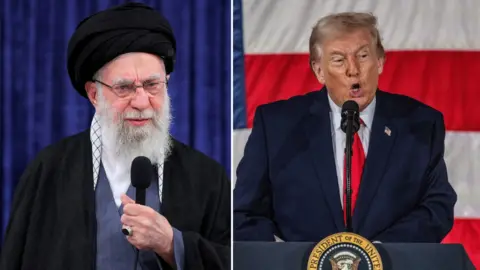
The phrase “trump iran” is once again dominating headlines across the United States, and this time the political temperature feels different. From late-night television debates to urgent discussions inside Washington, Americans are watching a renewed confrontation unfold between former President Donald Trump Iran with growing concern. What began as political rhetoric has rapidly transformed into a larger geopolitical story that could influence the 2026 election cycle, global oil markets, and America’s role in the Middle East.
Social media platforms erupted after fresh comments linked Trump to potential future strategies involving Iran if he returns to power. Analysts, voters, and foreign policy experts are now asking the same question: could the next chapter of U.S.-Iran relations become even more aggressive than before? The answer may shape not only international diplomacy but also the future of American politics itself.
Why Trump Iran Is Trending Across America Again
The renewed interest around “trump iran” comes at a moment when global tensions are already elevated. Recent developments in the Middle East, combined with campaign-season messaging in the United States, have pushed the topic back into mainstream conversation. Political commentators say the issue resonates strongly because many Americans still remember the dramatic events that defined Trump’s earlier relationship with Iran during his presidency.
Back then, headlines were dominated by sanctions, military threats, and the controversial strike that killed Iranian military commander Qasem Soleimani. Those events changed how many voters viewed U.S. foreign policy. Now, with Trump publicly criticizing current strategies toward Iran, the debate has returned with even greater intensity. Online searches for “trump iran” have surged as Americans try to understand what a second Trump presidency could mean for international stability.
Political strategists believe the issue is trending because it combines national security, energy concerns, and election drama into one emotionally charged topic. Every new statement instantly becomes viral content. In the age of fast-moving digital media, foreign policy is no longer just a Washington issue. It has become entertainment, controversy, and campaign fuel all at once.
Trump’s Past Iran Policies Still Shape Today’s Debate
One reason the “trump iran” conversation continues to dominate news cycles is because Trump’s earlier actions toward Iran remain highly controversial. During his presidency, the United States withdrew from the Iran nuclear deal, officially known as the Joint Comprehensive Plan of Action. Supporters praised the decision as a bold move against what they called a dangerous regime. Critics argued it increased instability and pushed the region closer to conflict.
Trump also imposed what his administration called a “maximum pressure” campaign. The strategy relied heavily on economic sanctions designed to weaken Iran financially and politically. Those sanctions had massive effects on Iran’s economy, oil exports, and currency value. Even years later, analysts say the long-term consequences are still being felt across the region.
Many Republican voters continue to support Trump’s tough stance, believing it projected strength on the global stage. Meanwhile, opponents argue that the strategy escalated tensions without delivering a lasting diplomatic solution. This divide is exactly why “trump iran” has become more than just a foreign policy topic. It is now deeply connected to American political identity and the broader debate over how the U.S. should handle global threats.
Middle East Instability Adds Fuel to the Story
The timing of this renewed focus on “trump iran” is significant because the Middle East remains highly unstable. Ongoing regional conflicts, concerns over nuclear development, and fears of military escalation have kept Iran at the center of international attention. Experts say any major statement from Trump immediately attracts headlines because investors, diplomats, and military officials all understand the potential consequences.
Energy markets are also reacting nervously. Oil prices historically spike whenever tensions involving Iran intensify. Traders fear disruptions to supply routes in the Persian Gulf, one of the world’s most important energy corridors. American consumers could eventually feel those effects through higher gas prices and increased inflation pressures, making the issue even more politically sensitive.
At the same time, global allies are carefully monitoring the situation. European leaders have repeatedly emphasized diplomacy over confrontation, while some Middle Eastern governments support stronger measures against Iran. This complicated geopolitical environment makes every Trump comment highly newsworthy. The stakes are no longer theoretical. Markets, governments, and voters are all paying attention.
Social Media Has Turned Trump Iran Into a Viral Political Battle
Unlike previous decades, today’s geopolitical stories spread through social media at lightning speed. The “trump iran” trend exploded online because clips, reactions, and political commentary quickly flooded platforms like X, TikTok, and YouTube. Within hours, hashtags connected to Trump and Iran generated millions of impressions and heated arguments across the political spectrum.
Some users praised Trump’s earlier policies as decisive leadership that kept adversaries cautious. Others warned that returning to those strategies could push the world toward another major crisis. The emotional divide reflects America’s increasingly polarized political climate, where nearly every international issue becomes part of a larger cultural battle.
Younger audiences are also engaging with the topic in surprising ways. Short-form videos explaining past conflicts between the United States and Iran are attracting millions of views. Political influencers are turning complex diplomatic history into viral content designed for mobile audiences. This digital transformation is changing how Americans consume news, making stories like “trump iran” trend faster and spread wider than ever before.
Election Politics Could Make Trump Iran Even Bigger
With the U.S. election cycle heating up, many analysts believe “trump iran” could become one of the defining foreign policy narratives of the campaign season. Trump has consistently used strong language when discussing international rivals, positioning himself as a leader who prioritizes American strength above diplomacy. That messaging continues to resonate with a large section of voters.
Democrats, however, are expected to challenge Trump’s record aggressively. Critics argue that his previous Iran policies increased risks without achieving long-term peace. Campaign strategists on both sides understand that foreign policy crises can dramatically influence voter sentiment, especially during periods of economic uncertainty and global instability.
Polling experts note that national security issues often gain momentum when Americans feel anxious about world events. If tensions involving Iran continue rising, the issue could dominate televised debates, campaign rallies, and political advertising. In that scenario, “trump iran” may evolve from a trending search phrase into one of the most important election themes in the country.
Experts Warn About Economic and Security Risks
Foreign policy specialists say the biggest concern surrounding the “trump iran” debate is unpredictability. Even strong supporters of aggressive policies acknowledge that tensions with Iran carry enormous risks. A military confrontation could impact global shipping routes, energy supplies, and international alliances almost immediately.
Economic analysts are equally cautious. Oil markets remain highly sensitive to developments involving Iran because the country plays a major role in regional energy dynamics. Even speculation about sanctions, military threats, or diplomatic breakdowns can move global prices sharply. For American families already dealing with inflation concerns, that creates another layer of political pressure.
Security experts also warn that cyber threats and proxy conflicts could intensify if relations deteriorate further. Modern geopolitical confrontations are no longer limited to traditional warfare. They now include digital attacks, misinformation campaigns, and regional power struggles involving multiple countries. This broader risk landscape is one reason why “trump iran” continues drawing such massive public attention.
Public Reaction Shows Deep National Divide
Public opinion on “trump iran” reflects America’s broader political polarization. Supporters of Trump argue that his approach projected confidence and discouraged hostile actions from adversaries. They believe strong pressure tactics forced Iran into a defensive position and demonstrated American power on the world stage.
Opponents view the situation very differently. Many fear that aggressive rhetoric could increase the chances of military escalation and further destabilize an already volatile region. Some independent voters appear caught between those perspectives, supporting strong national security while also wanting diplomatic solutions that avoid another prolonged conflict.
The emotional intensity surrounding the issue explains why television networks and digital publishers continue prioritizing coverage. Stories involving Trump, Iran, elections, and global security naturally attract enormous engagement. In today’s media environment, few topics combine political drama and international consequences as effectively as “trump iran.”
What Could Happen Next in the Trump Iran Story
The future of the “trump iran” narrative depends heavily on both political developments in Washington and unfolding events in the Middle East. If tensions continue rising internationally, Trump’s past policies will remain under intense scrutiny. Every campaign speech, interview, or policy proposal connected to Iran will likely generate major headlines.
Analysts predict that debates over sanctions, military strategy, and diplomacy will intensify as election season progresses. Meanwhile, global markets and international allies will continue monitoring every development closely. The issue has already moved beyond ordinary political discussion and entered the realm of high-stakes global uncertainty.
For American voters, the story represents more than just foreign policy. It touches on economic security, energy prices, military power, and the country’s future direction in world affairs. That is exactly why “trump iran” continues dominating online searches and national conversations across the United States.
As tensions rise and political battles intensify, millions of Americans are watching closely to see what happens next. Stay tuned, because this story is far from over — and its next chapter could have consequences far beyond Washington.
You may Also read
Ahmad Al Aliwi Alissa Case Back in Spotlight After New Debate
